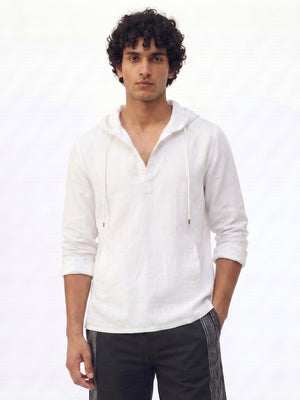
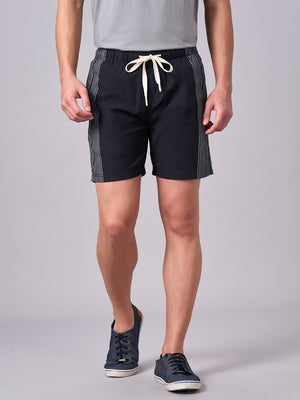
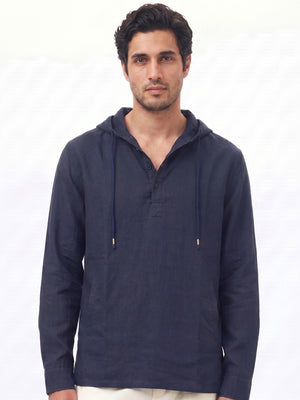
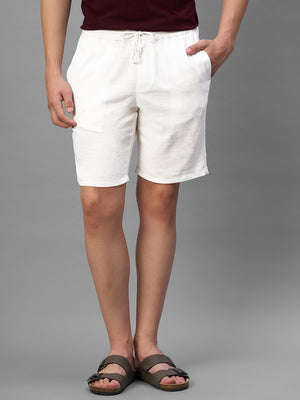
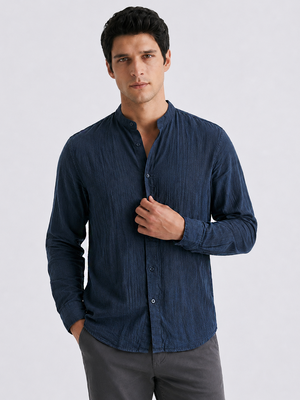
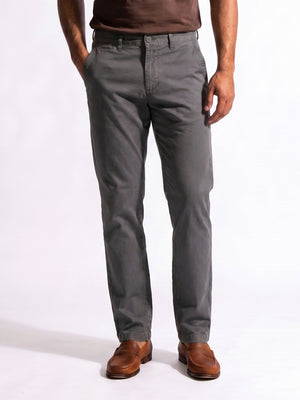
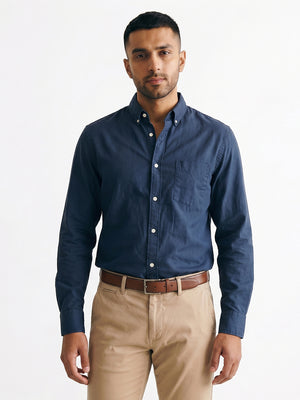
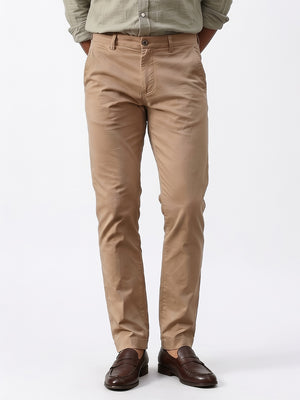
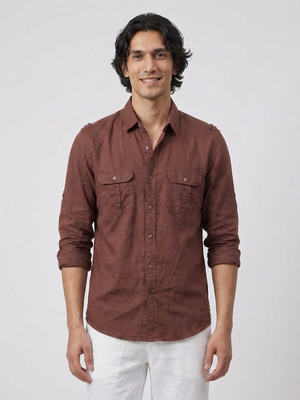
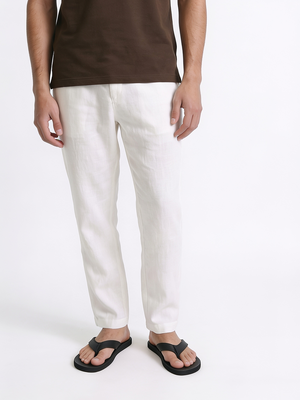
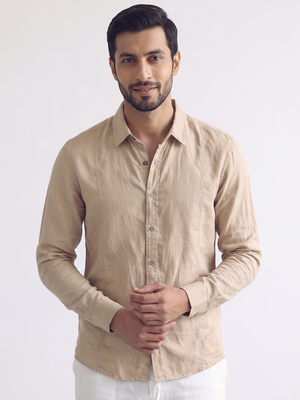
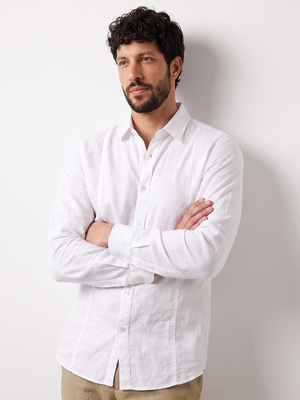
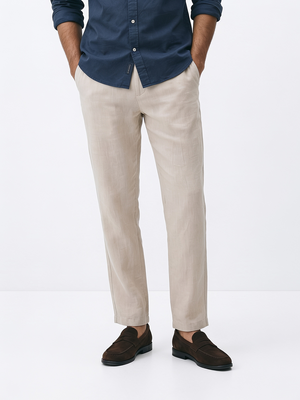
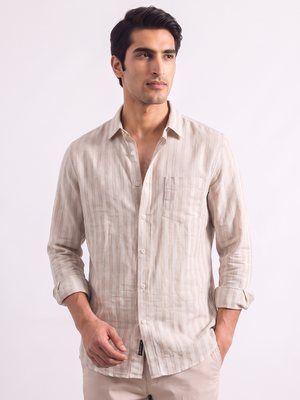
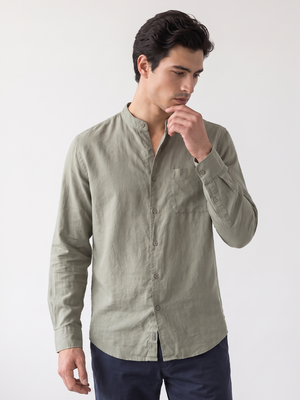
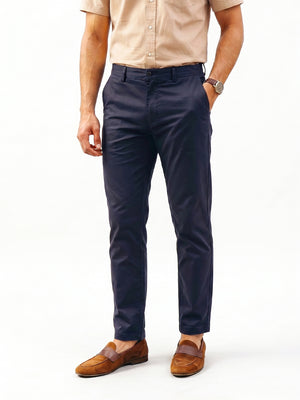
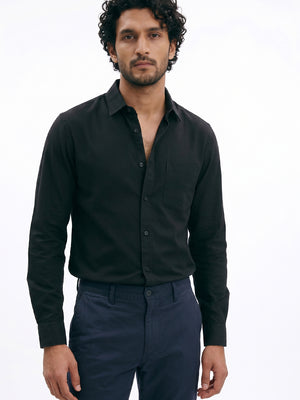
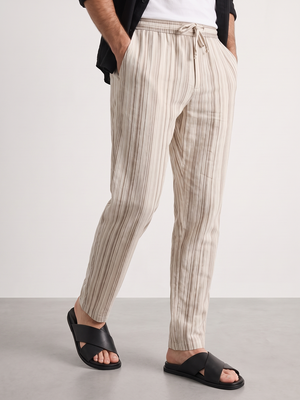
Shop Men's Looks Online
Some outfits come together quickly because the pieces already understand each other. That is the value of a look edit: it gives you a starting point on a morning when there are other things to think about. You can follow the pairing, alter it, or take only the one piece that belongs in your wardrobe.
Begin With the Plan
A workday that ends with dinner asks for something different from a short weekend outing. Start there. A shirt and pants combination can feel settled without being formal. A T-shirt and shorts pairing may be enough for a slower afternoon. Let the plan set the direction before colour or styling details take over.
Look at the featured pieces as individual choices, too. Fit, fabric composition and size availability are specific to the product, so open the listing before deciding. The right pairing should feel comfortable while sitting, moving around and getting from one part of the day to the next.
Use the Look, Don't Be Ruled by It
A complete outfit is not a uniform. If the shirt works but the pants do not, keep the shirt and style it with a familiar pair from home. If you like the proportion of a look, recreate it with a different colour. Men's shirts give you more structured options, while men's T-shirts can make the same lower half feel easier. Browse men's pants when you want to change the foundation rather than the top.
Build Around One Anchor
Choose one anchor piece first: the shirt, the T-shirt, the pants or the shorts. Keep the second piece quieter. This makes the outfit easier to return to, and it prevents a simple plan from becoming an overthought one.
How to Read a Featured Pairing
Look at the role of each piece before copying the outfit. One item usually carries the structure—the shirt, the pants or the outer layer—while the other keeps it relaxed. That balance can be recreated with clothes you already own. It is especially useful when a featured colour is not one you would normally wear.
Adjust the Look for the Occasion
For a day that includes a meeting, let the shirt or pants do the more considered work and keep the rest simple. For a casual plan, a T-shirt can become the anchor while the lower half stays familiar. If the weather changes, a shirt can also become a light layer over a tee. Check each product listing for current fabric and size details before committing to the pairing.
Compare the Individual Categories
Compare men's shirts when the outfit needs more structure. Browse men's T-shirts for relaxed combinations, men's pants for a cleaner weekday base, and men's shorts for a lighter off-duty option.
Colour, Proportion and Contrast
A look usually feels balanced when one element stays simple. If the shirt carries a print or colour, let the pants be calmer. If the lower half is more distinctive, choose a top that gives the outfit room to settle. You do not need to match everything; you only need a clear starting point.
Care for the Pieces Separately
A complete look may combine different fabrics. Check each item's care guidance rather than treating the outfit as a single garment. That small step helps the pieces stay useful even when you wear them in different combinations.
Check the Fit Across the Whole Outfit
An outfit can look balanced in a photograph and still need adjustment for your proportions. Review the fit of the top and bottom separately, then consider how they meet at the waist. A longer shirt changes the amount of the trousers you see, while a shorter layer can make the lower half more prominent. Check the product measurements for each piece instead of assuming that one size choice will settle the complete look. If the two garments need different sizes, treat that as useful information rather than a reason to abandon the pairing.
Decide Which Details to Repeat
A featured look may connect its pieces through colour, texture or level of formality. You can use that connection without reproducing every detail. Repeat one element—a neutral shade, a similar fabric weight or a clean silhouette—and let the rest come from your own wardrobe. This gives the outfit a clear relationship while keeping it personal. It also helps when one featured item is unavailable: the idea behind the pairing can remain useful even when the exact product changes.
Bring Footwear Into the Decision Early
Shoes affect the proportion and purpose of a look, so consider them before checkout. A familiar casual shoe may make a shirt-and-pants combination feel less formal, while a cleaner pair can give a T-shirt look more definition. Use footwear you already own as the test. If the featured clothes only work with a shoe you would rarely wear, adjust the colour or shape of one garment until the outfit fits your actual routine.
Save the Pairings That Work
When a combination feels right, note what made it easy: the colour balance, the room through the layers or the way the lengths sit together. That observation is more useful than saving an image without context. It can guide future choices and reduce repeated trial and error. Over time, a few dependable formulas—such as a structured top with a relaxed bottom or a simple base with one stronger layer—can make the look page a practical reference rather than a one-time shopping list.
Frequently Asked Questions
How do I choose a look that suits my day?
Start with the setting: a workday, a relaxed lunch or time outdoors. Pick a combination with the coverage and level of formality you need. Then adapt the colours, shoes or layers to the clothes you already feel comfortable wearing.
Do I need every piece shown to recreate an outfit?
No. You can take the idea of the outfit and use pieces you own. Keep a similar balance between the top and bottom, or repeat one colour. A favourite shirt or pair of trousers can be a useful starting point.
How can I adapt a look to my preferred fit?
Keep the colour combination or layering idea, then choose the shapes you enjoy wearing. For example, you could swap a closer top for a roomier one. Adjust the length and volume of the other pieces so the whole outfit feels comfortable.
How do I choose sizes for a coordinated outfit?
Size each garment separately using its size guide. A shirt needs room at the shoulders and chest, while trousers need a comfortable waist and enough room through the hips. If the outfit includes layers, allow space for the garments underneath.
What can I use if a featured item is unavailable?
Look for a piece with a similar role in the outfit. A plain shirt can replace another plain shirt even if the colour differs. Match the general shape or level of formality, then use your own shoes and accessories to finish the look.